


 Image
Travel posters
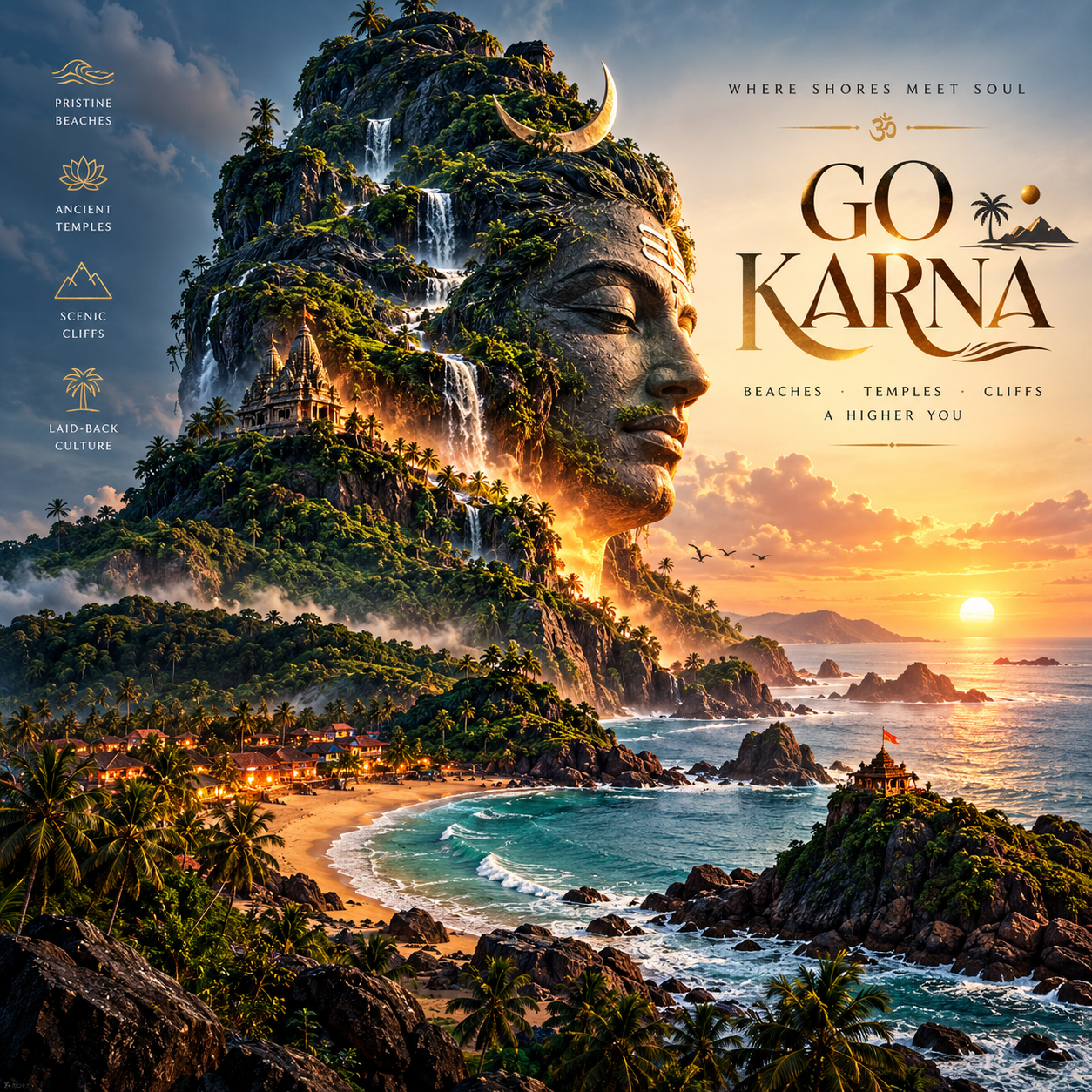
Worlds Within — Cinematic Travel Poster
Transform any destination into an extraordinary cinematic travel poster where iconic landscapes merge with monumental natural or cultural forms. Discover surreal mountains shaped like wildlife, coastlines emerging from ancient faces, glowing rivers, legendary landmarks, and atmospheric scenery. Complete with elegant destination typography, custom headlines, regional details, and premium fantasy-realism art direction. Slug: worlds-within-cinematic-travel-poster
Create an ultra-detailed, photorealistic yet surreal cinematic travel poster that transforms a real destination into a breathtaking visual masterpiece.
The destination must feel monumental, immersive, emotionally evocative, and instantly recognizable through its distinctive landscape, natural wonders, wildlife, architecture, and cultural identity.
OUTPUT FORMAT: Exact 1:1 square composition, 1024 × 1024 pixels.
DYNAMIC INPUT VARIABLES
DESTINATION
Place name: {{destination}}
Country or region: {{country_region}}
Destination type: {{destination_type}}
Famous landmarks or natural features: {{landmarks}}
Local wildlife, plants, or natural symbols: {{wildlife_nature}}
Cultural and architectural identity: {{culture_architecture}}
CREATIVE DIRECTION
Central monumental subject: {{central_subject}}
Fantasy transformation concept: {{transformation_concept}}
Atmosphere: {{atmosphere}}
Preferred color palette: {{color_palette}}
Lighting and time of day: {{lighting}}
Visual style: {{visual_style}}
POSTER TYPOGRAPHY
Main destination title: {{destination_title}}
Primary headline: {{primary_headline}}
Supporting tagline: {{supporting_tagline}}
Secondary text: {{secondary_text}}
Featured destination highlights: {{destination_highlights}}
Footer slogan: {{footer_slogan}}
1. CORE VISUAL CONCEPT
Create a destination-specific visual world in which geography, nature, wildlife, architecture, or cultural symbolism merges into one monumental central form.
The central subject should feel as though it naturally belongs to the destination's environment rather than being randomly placed into the scene.
For example, depending on the destination, a mountain range might form the silhouette of a gorilla, an ancient guardian face might emerge from a tropical coastline, a desert dune might resemble a sleeping lion, or a glacier might take the shape of an Arctic animal.
These are illustrative possibilities, not fixed compositions. Invent a new transformation that is appropriate to {{destination}} and {{transformation_concept}}.
If {{central_subject}} is supplied, follow it closely. Otherwise, intelligently select a compelling subject based on the destination's recognizable geography, wildlife, landmarks, and cultural context.
The transformation must be visually sophisticated, believable in its environmental details, and immediately readable at first glance.
2. DESTINATION-SPECIFIC LANDSCAPE
Build the environment around {{destination}}, located in {{country_region}}.
Use {{landmarks}} as references for the destination's recognizable geographical or architectural features. Integrate {{wildlife_nature}} and {{culture_architecture}} only where they are appropriate.
Preserve recognizable regional characteristics:
Distinctive terrain and geographical formations.
Authentic vegetation, wildlife, and environmental details.
Recognizable landmarks and architectural silhouettes.
Regional atmosphere, weather, and natural light.
Cultural motifs used respectfully and selectively.
Do not substitute generic fantasy scenery for the destination's actual identity. Avoid inventing landmarks or combining unrelated countries' visual identities.
If the destination is a real place, keep the geography plausible wherever practical, while allowing the central transformation to be fantastical.
3. MONUMENTAL CENTRAL SUBJECT
Make the main subject the visual anchor of the poster.
It should occupy a substantial portion of the composition, emerging dramatically from the landscape and interacting with its surroundings.
Blend natural textures into its form: forests, moss, rock, snow, sand, waterfalls, vegetation, coral, clouds, or other elements appropriate to the destination.
Use convincing depth, realistic surface detail, atmospheric perspective, and physically plausible lighting.
The subject should feel monumental without obscuring every important landscape feature.
Avoid cartoon-like anatomy, artificial-looking textures, or an obvious pasted-on effect.
4. CINEMATIC ENVIRONMENT AND STORYTELLING
Build a layered environment with a clear foreground, middle ground, and background.
Foreground: Rich environmental details, textured terrain, vegetation, water, rocks, coastlines, architectural details, or other destination-specific elements.
Middle ground: The dominant transformation, signature landmarks, scenic features, and leading visual pathways.
Background: Mountain ranges, dramatic skies, distant landscapes, atmospheric clouds, or a glowing horizon.
Create a visual journey through the image. Rivers, winding roads, coastlines, waterfalls, or luminous pathways can guide the viewer toward the main subject.
Use {{atmosphere}}, {{lighting}}, and {{color_palette}} to create an emotionally powerful environment with cinematic highlights, atmospheric mist, controlled shadows, and natural tonal transitions.
The fantasy should enhance the destination rather than overwhelm it.
5. PREMIUM TRAVEL POSTER ART DIRECTION
Follow {{visual_style}} as the main aesthetic direction. If none is specified, use cinematic fantasy realism with premium tourism-campaign art direction.
Combine:
Photorealistic environmental detail.
Monumental surreal composition.
Atmospheric depth and cinematic lighting.
Sophisticated contrast and restrained color grading.
Carefully composed travel-poster typography.
A strong sense of discovery, scale, and destination identity.
The finished image should feel like an exclusive destination campaign created by a world-class travel advertising studio.
Avoid generic stock-photo layouts, flat illustrations, repetitive postcard compositions, and excessive decorative effects.
6. TYPOGRAPHY AND INFORMATION HIERARCHY
Integrate the supplied copy into the artwork as designed poster typography.
Main destination title: {{destination_title}}
Make the destination title the primary readable text element, using elegant, bold, or monumental typography suited to the location.
Primary headline: {{primary_headline}}
Position the headline prominently near the main subject or within a suitable area of negative space.
Supporting tagline: {{supporting_tagline}}
Use refined secondary typography to reinforce the emotional appeal of the destination.
Secondary text: {{secondary_text}}
Include only if supplied and if space permits.
Destination highlights: {{destination_highlights}}
Represent these as a small, elegant row of labels, restrained icons, or minimal editorial details near the lower portion of the composition.
Footer slogan: {{footer_slogan}}
Position near the bottom edge, maintaining comfortable spacing and strong legibility.
If any text variable is blank, omit that text or generate a short, destination-appropriate alternative only when automatic copy generation is desired.
Keep typography clear of the central subject's most important details. Use excellent contrast, intentional spacing, and a clear hierarchy.
Do not add random words, fake travel agency logos, invented awards, unsupported claims, or unrelated text.
7. COMPOSITION — STRICT SQUARE FORMAT
Use an exact 1:1 square canvas at 1024 × 1024 pixels.
Recompose the destination and central subject specifically for the square format instead of cropping a portrait poster.
Establish a balanced visual hierarchy:
Upper region: atmospheric sky, optional destination identifier, and elegant introductory typography.
Central region: monumental transformation and dominant landscape.
Lower region: destination title, headline or tagline, and selected destination highlights.
These are flexible compositional zones, not rigid horizontal panels. Blend them naturally into one continuous scene.
Keep essential text, faces, landmarks, and the central subject inside safe margins. Ensure the composition remains readable at thumbnail size.
Do not create a four-panel collage, tiled layout, or multiple separate poster designs.
8. FINAL QUALITY REQUIREMENTS
Deliver a premium, cinematic, square travel poster that:
Is unmistakably associated with {{destination}}.
Features a compelling destination-specific fantasy transformation.
Combines surreal scale with realistic environmental detail.
Uses culturally and geographically appropriate elements.
Contains the supplied headlines with accurate spelling wherever possible.
Has polished typography and strong visual hierarchy.
Maintains realistic textures, atmospheric depth, and sophisticated lighting.
Feels original rather than copied from a reference image.
FINAL CREATIVE GOAL: Turn {{destination}} into a living masterpiece of landscape, nature, architecture, and imagination—a cinematic travel poster that inspires viewers to discover the real place behind the fantasy.