


 Image
Brand identity
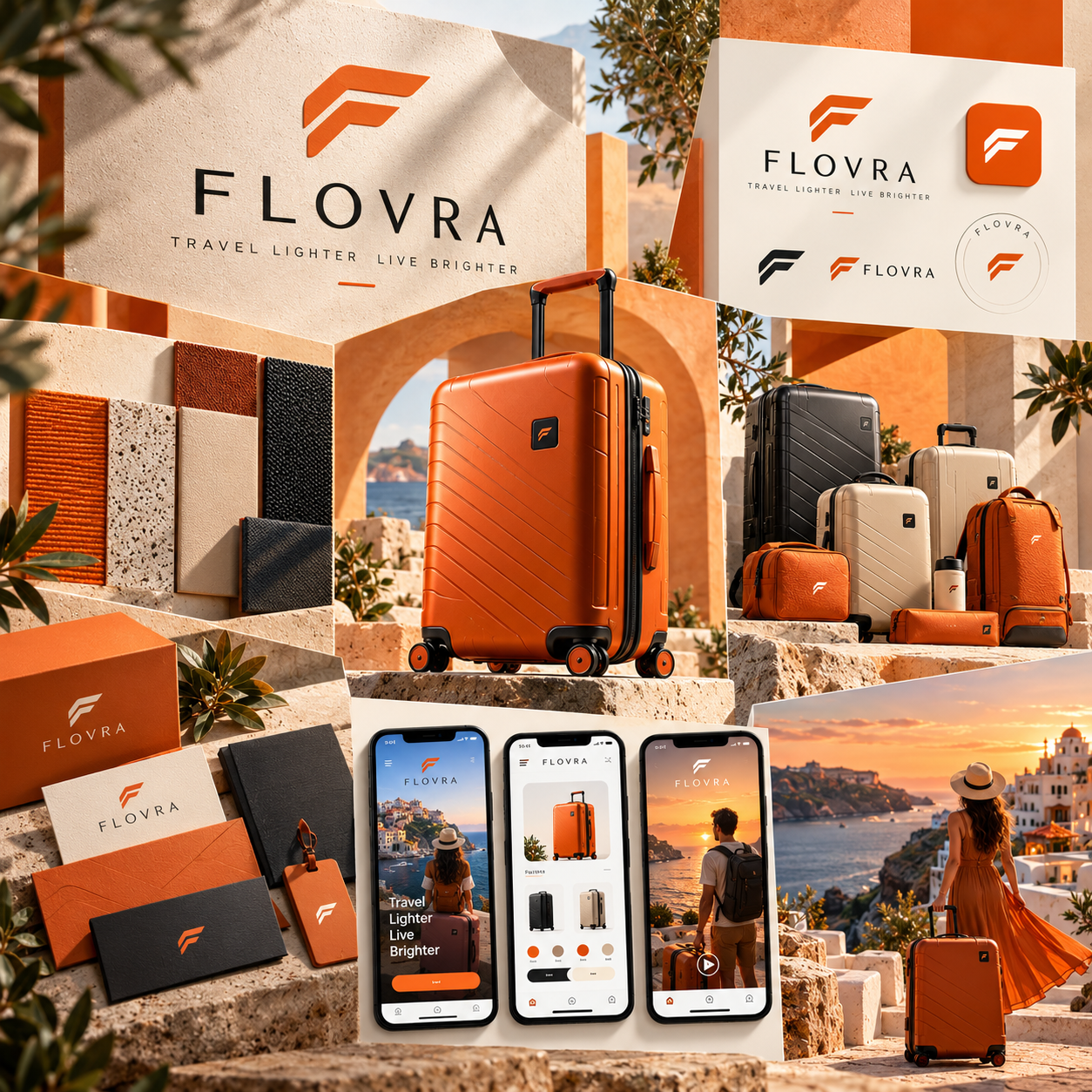
Premium Editorial Brand Identity – Architectural Product Showcase
Transform your brand into a premium visual identity with this dynamic editorial branding template. Featuring architectural product displays, sculptural platforms, coordinated packaging, logo variations, tactile material samples, stationery, digital mockups, and aspirational lifestyle photography, this template creates a cohesive brand presentation with a luxury creative-agency aesthetic. Customize the brand name, product category, colors, and visual personality to create distinctive branding for travel, fashion, beauty, technology, lifestyle, and consumer products. Ideal for product launches, brand presentations, creative portfolios, and AI-powered brand identity design.
Create a high-end, photorealistic brand identity presentation for [BRAND NAME], a [BRAND CATEGORY] brand, in a square 1:1 composition.
The design should feel like a luxury creative agency's brand presentation, combining architectural product displays, editorial photography, premium packaging, tactile material samples, and coordinated digital experiences.
BRAND INPUTS
Brand name: [BRAND NAME]
Brand category: [BRAND CATEGORY]
Brand tagline: [BRAND TAGLINE]
Hero product: [PRODUCT 1]
Supporting products: [PRODUCT 2]
Product collection: [PRODUCT 3]
Primary color: [COLOR 1]
Secondary color: [COLOR 2]
Accent color: [COLOR 3]
Neutral color: [COLOR 4]
Brand personality: [BRAND PERSONALITY]
Use these inputs consistently across all brand applications. Adapt the product shapes, packaging, materials, props, environments, and photography to the chosen industry.
1. OVERALL ART DIRECTION
Create a sophisticated, asymmetrical editorial composition featuring a collection of coordinated brand identity elements arranged across an architectural display.
Use large floating presentation boards, layered stone platforms, sculptural geometric structures, recessed display areas, overlapping rectangular panels, and varied panel proportions. Avoid a conventional nine-square grid or uniform collage.
Create depth through physical layering, realistic perspective, subtle shadows, and carefully controlled spacing. The composition should look like a professionally art-directed physical brand exhibition photographed in a premium studio.
Use a light, warm neutral environment complemented by the selected brand colors.
2. HERO BRAND IDENTITY
Position a large premium brand presentation board in the upper portion of the image.
Display the original [BRAND NAME] wordmark prominently, accompanied by a custom geometric symbol or monogram appropriate to the brand category.
Include the exact tagline:
“[BRAND TAGLINE]”
Use refined typography, carefully spaced lettering, and a distinctive visual identity. The logo must remain consistent across packaging, products, stationery, and digital interfaces.
Do not copy an existing company's logo or distinctive branding.
3. LOGO SYSTEM
Create a separate premium presentation surface displaying the brand's primary logo, secondary logo, compact symbol, and emblem variations.
Arrange these elements with generous spacing and clean alignment. Use the selected colors and an appropriate combination of typography and graphic geometry.
Present the logo system as a finished design artifact, using subtle paper texture, embossing, or refined printed surfaces where appropriate.
4. BRAND MATERIALS AND COLORS
Create a physical materials display featuring samples of [COLOR 1], [COLOR 2], [COLOR 3], and [COLOR 4].
Show tactile material swatches, surface finishes, and category-appropriate textures rather than a typography specimen or a generic flat color chart.
For travel products, use textured luggage materials, durable fabric, metal hardware, and molded shell finishes. For beauty, use glass, ceramic, paper, and liquid textures. For technology, use brushed metal, translucent components, and precision-finished surfaces.
Arrange the materials on a sculptural display with realistic textures, soft shadows, and premium studio lighting.
5. HERO PRODUCT PHOTOGRAPHY
Place one large, visually striking [PRODUCT 1] in the central area of the composition.
The product should be the primary focal point, with realistic proportions, detailed construction, premium materials, and accurate physical features.
Apply the [BRAND NAME] logo and selected color palette to its packaging or surface. Use cinematic lighting, carefully controlled highlights, realistic reflections, and convincing contact shadows.
Position the product on a raised stone, concrete, or architectural pedestal that complements the brand's personality.
Choose a camera angle that communicates quality, form, and craftsmanship.
6. SUPPORTING PRODUCT COLLECTION
Arrange a coordinated collection of [PRODUCT 2] and [PRODUCT 3] in a separate display area.
Include several complementary product variations, such as different sizes, formats, finishes, or configurations, depending on the product category.
Maintain consistent logo placement, graphic elements, materials, and color usage. Every product should clearly belong to the same brand family.
Use staggered elevations and varied object sizes to create a premium product-display composition without visual clutter.
7. PACKAGING AND BRAND COLLATERAL
Create a physical arrangement of branded packaging and collateral appropriate to [BRAND CATEGORY].
Include relevant elements such as product boxes, labels, protective packaging, business cards, inserts, tags, or printed brand materials.
Use realistic paper grain, precise printing, embossing where appropriate, clean folds, and coordinated graphic motifs.
Arrange these elements in the lower-left or side portion of the composition. Ensure that they support the hero product rather than competing with it.
8. DIGITAL BRAND EXPERIENCE
Include three realistic smartphone mockups arranged together in a dedicated area.
Each screen should display a different part of the brand's digital experience:
Brand campaign or homepage
Product collection or shopping interface
Lifestyle campaign or product-detail experience
Adapt the imagery, navigation, product cards, and interface colors to [BRAND CATEGORY].
Keep the screens clean, realistic, and visually consistent with the physical brand identity. Use concise, legible interface copy and avoid excessive microtext.
9. LIFESTYLE CAMPAIGN SCENE
Create an aspirational lifestyle photograph featuring [PRODUCT 1] in an environment that expresses [BRAND PERSONALITY].
The setting must match the product category. For travel products, use sunlit architectural destinations and carefully styled luggage. For skincare, use a serene vanity or natural stone setting. For technology, use modern interiors and contemporary architecture.
Use realistic environmental lighting, thoughtful props, cinematic framing, and natural depth of field.
The scene should communicate a compelling brand lifestyle rather than look like a generic stock photograph. Human subjects may appear when appropriate to the category.
10. ARCHITECTURAL COMPOSITION
Organize the brand presentation using the following hierarchy:
Upper section: large logo board and brand identity elements
Upper side section: logo variations or supporting brand graphics
Central section: dominant hero product on a sculptural pedestal
Opposite side: coordinated product collection
Lower side section: packaging and stationery
Lower central section: three smartphone mockups
Lower or outer section: aspirational lifestyle campaign image
Blend the panels into a coherent architectural composition using varied sizes, layered surfaces, subtle overlaps, and natural perspective.
Avoid numbered sections, presentation headings, labels such as “Hero Product” or “Brand Overview,” and explanatory captions inside the artwork.
The composition must look like a finished brand identity campaign, not a labeled design worksheet.
11. COLOR AND LIGHTING
Use [COLOR 1], [COLOR 2], [COLOR 3], and [COLOR 4] as the core palette throughout the entire image.
Introduce complementary neutrals only when needed to support contrast and readability.
Use premium studio lighting, soft directional sunlight, realistic cast shadows, ambient occlusion, accurate reflections, and detailed material rendering.
Maintain a consistent lighting direction across the physical mockups while allowing the lifestyle photography to retain its natural atmosphere.
12. STRICT REQUIREMENTS
Square 1:1 composition.
Asymmetrical architectural collage, not a nine-square grid.
One dominant hero product with supporting product variations.
Consistent brand identity across every application.
Original fictional branding and custom logo design.
Correct product category, packaging, materials, and props.
No numbered panels or explanatory section headings.
No text labels describing the layout or design process.
No unrelated products or inconsistent color schemes.
No copied real-world logos, watermarks, or recognizable brand slogans.
Avoid excessive microtext, distorted products, and cluttered compositions.
FINAL OUTPUT
Create a photorealistic, premium editorial brand identity showcase for [BRAND NAME], combining an architectural presentation, a striking hero product, coordinated product collections, physical brand materials, branded packaging, digital mockups, and aspirational lifestyle imagery.
The result should feel like a cohesive luxury brand campaign presented through a sophisticated physical design installation, ready for a professional creative portfolio or AI brand identity template gallery.