


 Image
Brand identity
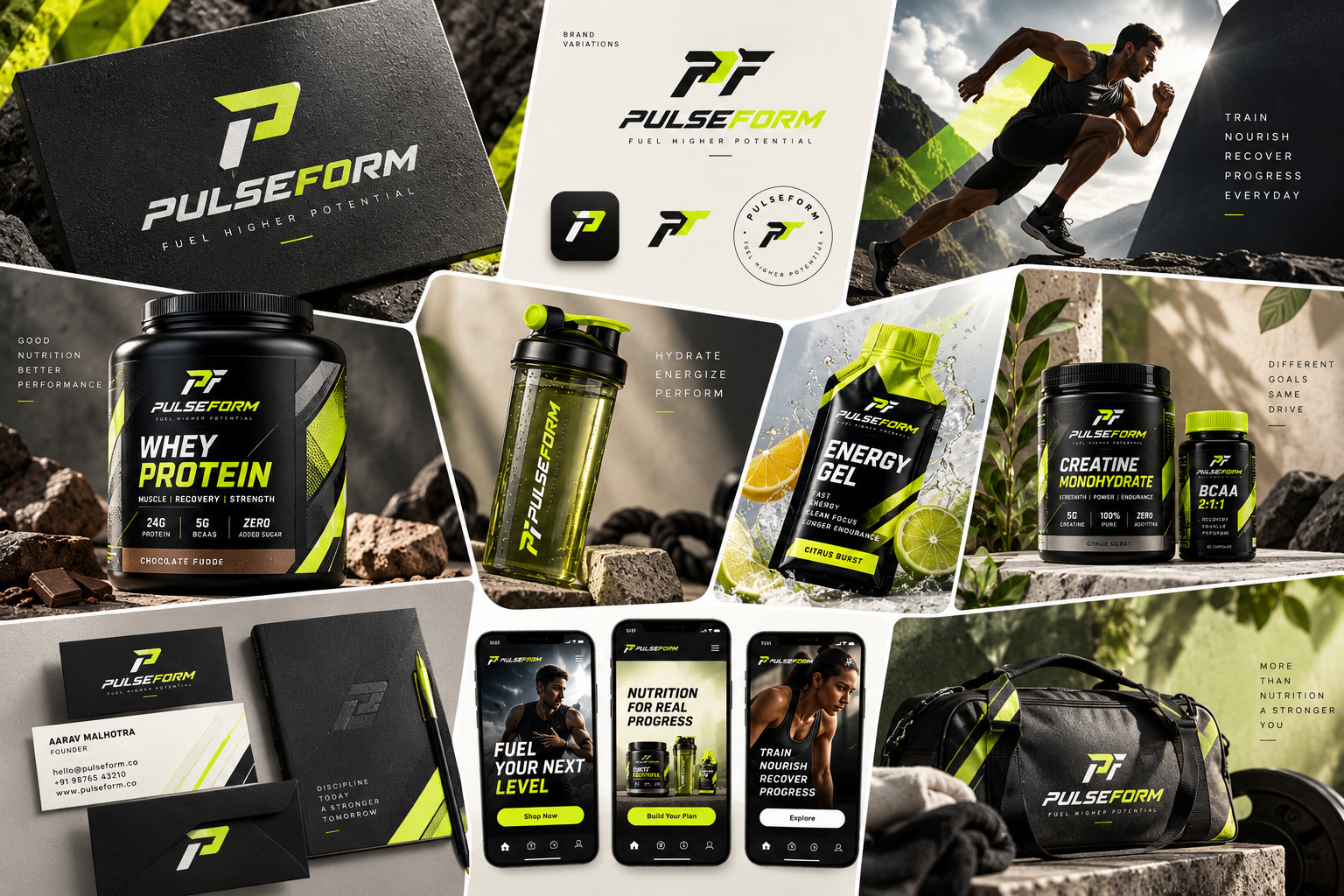
Dynamic Brand Identity Collage – Premium Product Branding Template
Create a striking, professional brand identity with this dynamic editorial collage template. Featuring custom logo variations, premium product photography, coordinated packaging, tactile material details, branded stationery, digital mockups, and lifestyle campaign imagery, this template brings an entire brand system together in one cohesive visual presentation. Customize the brand name, industry, products, colors, tagline, and personality to generate distinctive identities for fitness, beauty, fashion, travel, technology, wellness, and consumer goods. Ideal for brand development, product launches, creative portfolios, and AI-powered branding workflows.
Create a premium, photorealistic brand identity campaign for [BRAND NAME], a [BRAND CATEGORY] brand, presented as a bold, asymmetrical editorial collage in a 1:1 square composition.
BRAND INPUTS
Brand name: [BRAND NAME]
Brand category: [BRAND CATEGORY]
Brand tagline: [BRAND TAGLINE]
Primary product: [PRODUCT 1]
Secondary product: [PRODUCT 2]
Product collection: [PRODUCT 3]
Primary color: [COLOR 1]
Secondary color: [COLOR 2]
Accent color: [COLOR 3]
Brand personality: [BRAND PERSONALITY]
Apply these inputs consistently throughout the entire composition. Adapt the imagery, materials, product styling, graphic elements, and supporting scenes to the selected industry.
1. OVERALL CREATIVE DIRECTION
Create a sophisticated, high-impact brand identity presentation that combines premium commercial photography, modern editorial art direction, product visualization, and bold graphic design.
Use an asymmetrical collage rather than a conventional grid. Build the composition from irregular rectangular panels, angled divisions, diagonal edges, cropped photographs, and varied image proportions. Some panels may have gently rounded corners, while others use sharp geometric cuts.
Create a sense of movement and visual rhythm without making the layout chaotic. Use intentional overlaps, strong alignment, generous negative space where needed, and a clear hierarchy between the hero product, brand identity, and supporting applications.
The result should resemble a premium creative agency campaign presentation, not a standard nine-square moodboard.
2. COLOR AND MATERIAL SYSTEM
Use the selected colors as the foundation of the complete visual identity:
Primary: [COLOR 1]
Secondary: [COLOR 2]
Accent: [COLOR 3]
Introduce appropriate supporting neutrals, such as off-white, charcoal, concrete gray, or warm stone, only when they complement the selected palette.
Use realistic materials appropriate to [BRAND CATEGORY]. These may include matte packaging, textured paper, brushed metal, translucent plastic, technical fabrics, glass, stone, or other industry-relevant surfaces.
Create rich tonal contrast, believable material textures, and cohesive lighting throughout the collage.
Do not automatically reuse the colors or materials of the reference brand. The layout and visual energy should remain consistent, while the selected brand inputs determine the actual color system.
3. HERO BRAND PANEL
Create a visually dominant panel featuring a premium brand identity presentation.
Display the [BRAND NAME] logo prominently, accompanied by a custom symbol or monogram that reflects the brand's category and personality.
Include the tagline:
[BRAND TAGLINE]
Use distinctive typography, carefully controlled spacing, and a graphic identity that can be applied consistently to packaging, products, stationery, and digital interfaces.
Use bold graphic elements and strong contrast without copying existing brand logos or recognizable visual identities.
4. LOGO AND IDENTITY VARIATIONS
Create a separate panel showing a coordinated family of identity elements:
Primary logo lockup
Secondary logo or monogram
Compact application icon
Supporting geometric or graphic motif
Display the variations on suitable surfaces, such as textured paper cards, matte panels, labels, or digital tiles.
Ensure all variations belong to the same identity system. Avoid repeating the same logo without meaningful changes.
5. MATERIALS AND VISUAL LANGUAGE
Instead of a conventional color-swatches chart, create a dynamic visual panel that communicates the brand's character through materials, close-up details, textures, and category-specific imagery.
Use selected brand colors in real-world applications. Show finishes, surfaces, packaging details, or environmental elements that reinforce [BRAND PERSONALITY].
For an athletic brand, emphasize technical fabrics, textured rubber, matte containers, and dynamic performance imagery. For beauty, emphasize glass, liquid textures, and refined packaging. For technology, emphasize precision finishes, metal, and translucent materials.
Keep the panel visually engaging and integrated into the collage.
6. PRIMARY PRODUCT PANEL
Show [PRODUCT 1] as a premium hero product.
Preserve its recognizable shape and physical characteristics while applying the custom [BRAND NAME] identity.
Use carefully controlled commercial lighting, realistic shadows, convincing material properties, detailed packaging, and an environment appropriate to the brand.
The product should appear tangible and professionally photographed. Include only relevant product labeling and avoid excessive microtext.
Make this panel one of the strongest visual anchors in the composition.
7. SECONDARY PRODUCT PANEL
Present [PRODUCT 2] in a separate, visually distinctive scene.
Choose an angle, scale, and background that differ from the primary product panel. Highlight the product's functional features, materials, or distinctive silhouette.
Use category-appropriate supporting props and a lighting treatment consistent with the overall campaign.
Avoid simply duplicating the first product with a different label.
8. PRODUCT COLLECTION PANEL
Show a coordinated collection based on [PRODUCT 3].
Include three complementary product variations, differentiated through size, format, flavor, finish, or intended use, as appropriate to the category.
Arrange them in a balanced, premium commercial display with consistent branding, realistic proportions, and cohesive packaging design.
Make the collection feel like a genuine product family with a clear visual relationship between all items.
9. BRAND COLLATERAL PANEL
Create a premium collection of branded collateral, such as business cards, packaging inserts, stationery, labels, instruction cards, or other materials relevant to [BRAND CATEGORY].
Apply the same logo, typography direction, color palette, and graphic motifs.
Use realistic print finishes, embossing where appropriate, precise alignment, and believable paper or material textures.
Avoid invented personal details and unnecessary text.
10. DIGITAL EXPERIENCE PANEL
Present a set of three smartphone mockups showing a consistent branded digital experience.
Include a product-focused campaign screen, a product discovery or shopping screen, and a brand storytelling or lifestyle screen.
Adapt the interface to [BRAND CATEGORY]. Use appropriate imagery, navigation elements, product cards, and calls to action.
Keep the interfaces polished, realistic, and consistent with the visual identity. Use minimal, legible text and avoid random interface elements.
11. LIFESTYLE AND CAMPAIGN PANEL
Create a visually powerful campaign photograph featuring [PRODUCT 1] within a setting that expresses [BRAND PERSONALITY].
Use dynamic camera angles, strong subject placement, realistic environmental details, and cinematic lighting.
For performance brands, use athletic environments, technical gear, movement, and energetic composition. For luxury brands, use refined settings, sculptural styling, and dramatic light. For technology brands, use modern architecture and precision-driven visual storytelling.
Human subjects may appear only when appropriate to the selected brand category. Otherwise, focus on products, environments, and props.
The scene must feel like a real commercial campaign rather than a generic stock photograph.
12. ASYMMETRICAL COLLAGE LAYOUT
Organize all elements into one cohesive composition using the following visual hierarchy:
A large hero brand or identity panel near the upper section
A prominent primary product photograph
A secondary product or product-collection panel
A distinctive material and visual-language panel
A stationery or brand-collateral panel
A digital experience panel containing three device mockups
A strong lifestyle or campaign image
Distribute these elements across irregularly sized panels with a mixture of horizontal, vertical, and angled divisions.
Use diagonal transitions and contrasting image scales to create visual energy. Avoid nine equally sized squares, repetitive panel proportions, and excessive borders.
Keep the overall collage balanced, with the main product and brand identity immediately recognizable.
13. LIGHTING AND RENDER QUALITY
Use premium commercial photography and photorealistic rendering.
Include realistic shadows, detailed textures, controlled highlights, accurate reflections, convincing packaging materials, and carefully balanced contrast.
Choose lighting according to the brand's personality. Dramatic directional light works well for performance and technology products, while softer diffused light suits wellness, beauty, and lifestyle brands.
Maintain consistent material quality and photographic realism throughout the collage.
14. STRICT REQUIREMENTS
Square 1:1 composition.
Asymmetrical editorial collage with varied panel sizes.
No conventional nine-square grid.
Consistent branding across all panels.
Original logo, graphic motifs, and brand identity.
Products and props must match [BRAND CATEGORY].
Use the supplied brand colors consistently.
No unrelated products or mismatched visual styles.
No watermarks or copied real-world logos.
Avoid excessive decorative elements and illegible text.
Do not duplicate the same product image across multiple panels.
Preserve a clear visual hierarchy and professional art direction.
FINAL OUTPUT
Create a cohesive, high-end brand identity collage for [BRAND NAME] that showcases its logo system, material language, primary product, supporting products, product collection, branded collateral, digital experience, and campaign photography.
The finished image should feel dynamic, commercially polished, distinctive, and ready for a professional branding portfolio or AI brand identity template marketplace.